Local Marketplaces
- Trendyol
- Hepsiburada
- N11
- Çiçeksepeti
- Amazon.com.tr
- PttAvm
- Pazarama
- İdefix
- Teknosa
- MediaMarkt
- Boyner
- Flo
- Modanisa
- Lazımbana
- Koçtaş
- Beymen
- Temu


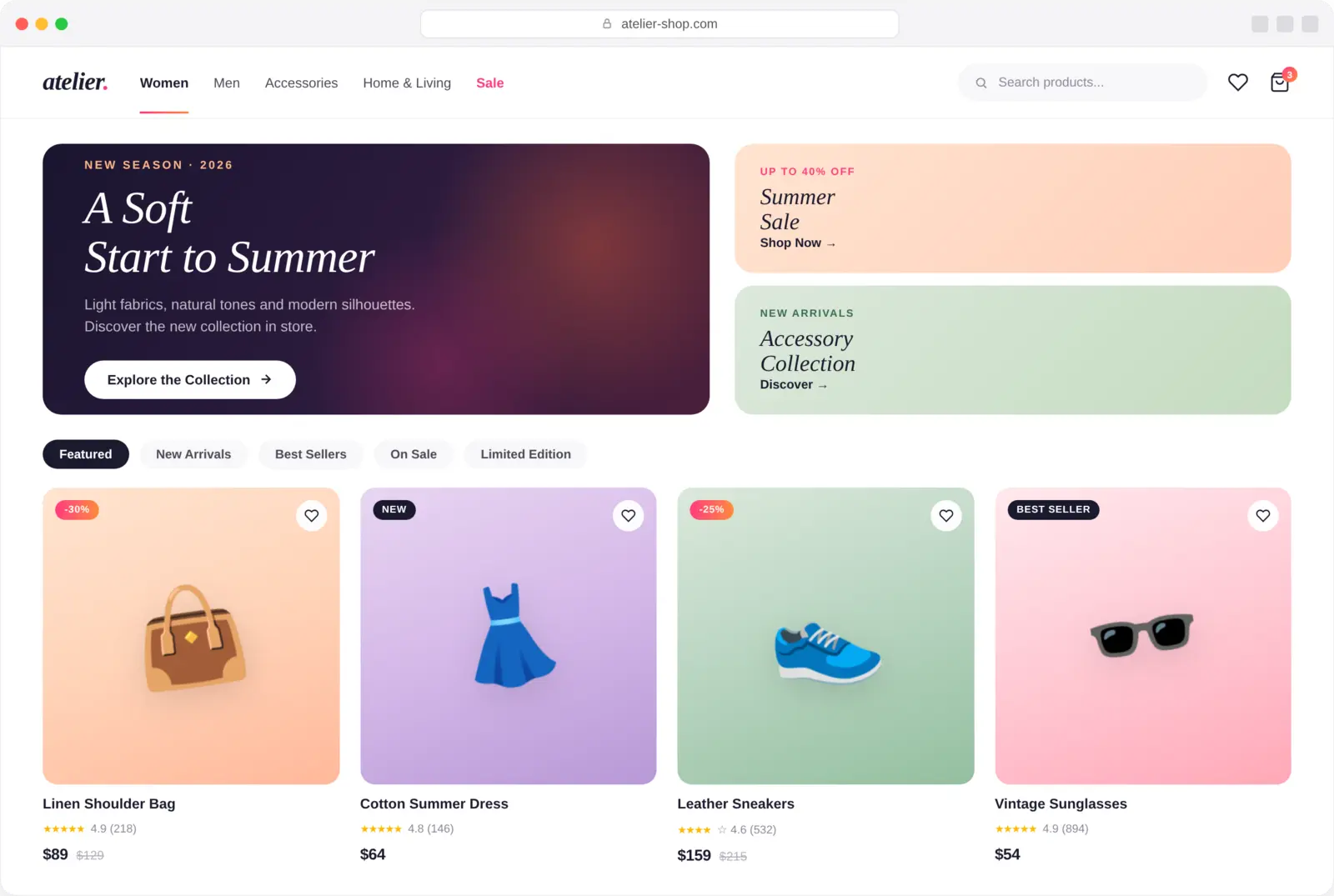
Launch a Turkey-ready shop with iyzico, PayTR and Papara built-in, Yurtiçi Kargo labels and e-Fatura (GİB) wired from day one.
Integrated with leading Turkey brands

 N11
N11 .com.tr
 PttAvm
Tailored Solution
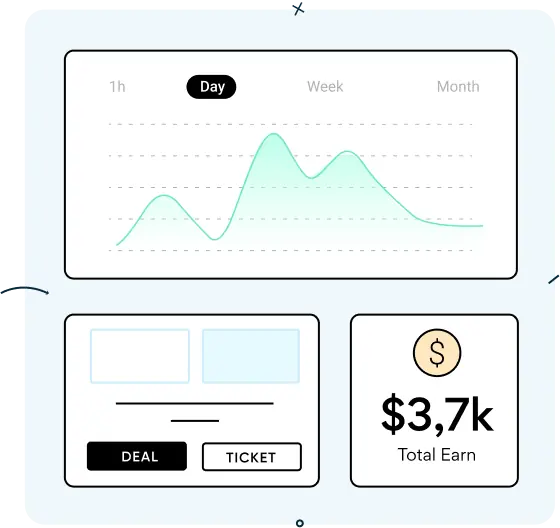
Sector-tuned themes for İstanbul fashion houses, Bursa textile exporters or Antalya hospitality brands. KDV (20/10/1%) auto-calculates per category, KVKK consent banners and distance-sales contracts ship as standard for your Limited Şirketi setup.
Hands-On Support
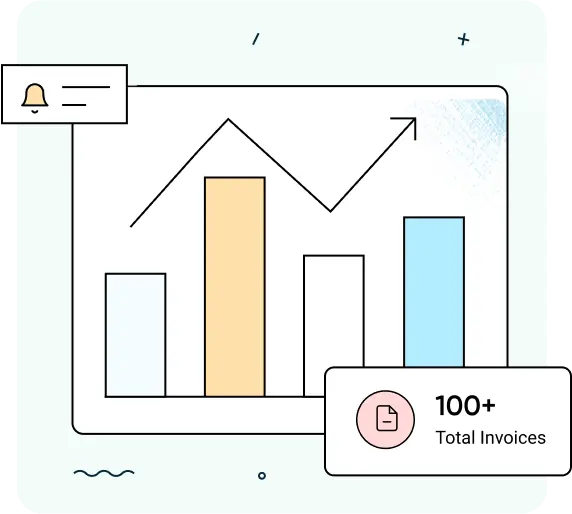
iyzico installments, PayTR 3D Secure, BKM Express wallet — paired with Aras Kargo and DHL Kargo label printing. Cart-recovery flows via Papara link, and every paid order auto-bridges to e-Fatura and ETBİS without spreadsheets.
Flexible plans that grow with you. Upgrade or cancel anytime.
For getting started
Most popular for growing brands
Complete package for high-volume sellers
Pay monthly · Free setup · Cancel anytime
Manage your entire operation from one panel. No third-party plugins required.

Industry-specific mobile-ready themes — go live in hours.

Sync orders and stock with the most popular marketplaces in Turkey.

Stripe, PayPal and local gateways. 3D Secure and installments included.

Print labels, send tracking codes automatically — all major carriers included.

Country-compliant e-invoicing, automatic income/expense, accountant access.

95+ Lighthouse score, automatic sitemap, schema.org, AMP support.
Local marketplaces, carriers, payment methods and compliance frameworks — from a single panel
Checkout ships with iyzico and PayTR for cards and installments, Param for card payments, plus BKM Express and Papara wallets. 3D Secure is standard and abandoned baskets are recovered via a Papara link. Every amount is processed in TRY, with local bank installment plans shown automatically from İstanbul to İzmir.
The store applies KDV automatically by category: the 20% standard rate plus the reduced 10% and 1% bands. Each paid order generates an e-Fatura (GİB) and e-Arşiv document instantly and flows to your bookkeeping for GİB filing. It adapts to Şahıs Şirketi, Limited or Anonim Şirket invoicing from one panel.
Labels print automatically for Yurtiçi Kargo, Aras Kargo, DHL Kargo, PTT Kargo and Sürat Kargo, with cash-on-delivery supported. Under the Distance Sales Regulation a 14-day right of withdrawal and a distance-selling contract ship as standard, with returns and tracking managed in the customer panel.
A KVKK-compliant cookie consent banner, privacy notice and explicit-consent flow are installed by default. The distance-sales contract, pre-information form and return terms publish automatically. Your ETBİS registration sits in the footer, while e-Arşiv archiving and the GİB filing bridge are wired from the start.
Your sector theme, iyzico/PayTR payment setup, KDV configuration, KVKK texts and the e-Fatura connection are included, so the store is usually live within a few business days. Pricing is a monthly subscription; setup, theme, multi-language and marketplace sync are bundled, with no hidden onboarding fees.
The store runs in TRY as the base currency and is export-ready with multi-language and multi-currency support. Local SEO is structured for İstanbul and Ankara targeting. Product, stock and price sync with Trendyol, Hepsiburada, N11 and Çiçeksepeti is managed from one panel, with orders flowing back automatically.
Clarify cost, setup, local fit and operations for ecommerce website setup in Turkey with ZunaPro.
Companies searching for ecommerce website setup in Turkey usually compare more than the service name. They look for cost, timeline, a reliable team, local fit and the speed at which the project can become usable.
The page should answer technical and commercial questions together. A visitor needs to understand what will be done, in which order and what will be delivered.
ZunaPro brings catalogue, checkout, payment, shipping, campaigns, multilingual storefronts, analytics and conversion optimization into one plan. The work does not stay as a design or setup task; it becomes an operating structure the team can actually use.
In Turkey, language, payment habits, documentation expectations, delivery or support models can directly influence the result. Discussing these points early reduces rework.
In Turkey TRY pricing, instalment options, e-archive invoicing and fast WhatsApp contact shorten the decision time.
Before requesting a quote or starting the project, these points should be clear.
| Topic | What It Clarifies | What ZunaPro Does |
|---|---|---|
| Store Architecture | Clarifies expectations, data and responsibility for Store Architecture. | Connects Store Architecture to proposal, setup and ongoing management. |
| Product And Checkout | Clarifies expectations, data and responsibility for Product And Checkout. | Connects Product And Checkout to proposal, setup and ongoing management. |
| Payment And Shipping | Clarifies expectations, data and responsibility for Payment And Shipping. | Connects Payment And Shipping to proposal, setup and ongoing management. |
| Conversion Reporting | Clarifies expectations, data and responsibility for Conversion Reporting. | Connects Conversion Reporting to proposal, setup and ongoing management. |
Store Architecture sets the plan for how ecommerce website setup should be delivered in Turkey. Scope, timeline and responsibility are written down at this stage so revisions stay rare. Once the plan is locked each team sees its own boundary and small details that look minor at first are still included in the proposal.
When the Store Architecture plan moves to the field, internal roles, approval chains and reporting cadence are defined too. Progress is measured at fixed checkpoints instead of constant meetings, and decisions follow a process rather than a single person.
In practice, Store Architecture should run as a short loop that includes team reviews, customer feedback and real data from the field. At the end of each loop the owner, timeline and expected output of the next step are written down so progress depends on a system, not on a single person.
Companies searching for ecommerce website setup in Turkey usually compare more than the service name. They look for cost, timeline, a reliable team, local fit and the speed at which the project can become usable.
During Product And Checkout, the buyer needs to see which step happens in which order and what is delivered. Local language, payment and compliance details for Turkey are discussed here. A transparent process shortens revision cycles, reduces knowledge loss between teams and keeps the delivery calendar reliable.
During Product And Checkout, real user scenarios from the Turkey market are tested. Whether the local customer prefers phone, message or a form, and where they hesitate during payment, becomes visible at this stage.
A small but critical detail in Product And Checkout is the content approval chain. Every sentence going live in Turkey should be reviewed once more by a local reader; this protects brand tone, legal fit and conversion potential at the same time.
The page should answer technical and commercial questions together. A visitor needs to understand what will be done, in which order and what will be delivered.
Payment And Shipping is the area that creates the gap between a quote and the real cost. For brands researching Ecommerce Website Setup, scope width, content production and integrations shape the total budget. When cost lines are listed individually, comparing offers becomes easier and ROI can be measured from the start.
To read the Payment And Shipping cost line correctly, one-time and monthly figures must sit on separate rows. As scale grows in Turkey, integrations, content updates and reporting drive most of the recurring spend.
The Payment And Shipping cost line requires the recurring and variable parts to be visible in writing. Growth decisions like a seasonal campaign, an extra language or a new product category should already be marked on the budget.
ZunaPro brings catalogue, checkout, payment, shipping, campaigns, multilingual storefronts, analytics and conversion optimization into one plan. The work does not stay as a design or setup task; it becomes an operating structure the team can actually use.
Conversion Reporting keeps living after launch. To keep selling in Turkey, maintenance, reporting and content updates must be planned from day one. Without a clear post-launch plan a project erodes within months; a steady support routine keeps brand value intact.
The Conversion Reporting block must turn into a loop of analysis, content refresh, campaign work and technical maintenance. As traffic grows in Turkey, every part of this loop needs a clear owner.
The Conversion Reporting block must be fed continuously with customer questions, support tickets and performance data. As live traffic grows in Turkey, the behaviour patterns that emerge are the most valuable input for setting the priorities of the next release.
In Turkey, language, payment habits, documentation expectations, delivery or support models can directly influence the result. Discussing these points early reduces rework.
Every project is different, yet ecommerce website setup work in Turkey usually follows a similar order. The steps below summarise the practical path from the first call to going live and clarify what to look for when reading a proposal.
Many companies make a ecommerce website setup decision based only on the starting price. Maintenance cost, local fit and missing reporting often force the project to be rebuilt months later.
When planning ecommerce website setup for Turkey, local language, payment habits and official procedures should be discussed early. Customer trust is built when contact, invoicing, delivery and support stay consistent.
Turkey combines fast urban delivery, marketplace volume and regional carrier networks, shaping warehouse operations directly.
Looking only at the starting price can be misleading. Maintenance, integrations, number of languages, reporting and security requirements shape the real value.
In Turkey TRY pricing, instalment options, e-archive invoicing and fast WhatsApp contact shorten the decision time.
The three scenarios below show how ecommerce website setup positions itself at different scales in the Turkey market. The goal is for each business to spot the profile closest to its own situation and to ask the right questions from the start.
A ecommerce website setup proposal for Turkey should show its components clearly. Itemised quotes prevent later surprises and make comparison between providers possible.
The value of Ecommerce Website Setup comes not from launch day but from the steady support that follows. As customer behaviour, campaigns and technical needs in Turkey change, the site, system or operation must adapt with them.
A strong service page clearly explains what the buyer gets, what stages they pass through and which workload is removed from their team.
It suits companies entering a new market, improving digital sales or organizing an existing operation.
Target market, service scope, languages, payment or contact flows and technical needs should be assessed together.
Scope, integrations, content depth, design needs, official requirements and support model affect pricing.
Our experts map out your path in marketplace integration, e-commerce and company formation — free, no obligation.
Get Free Consultation →