Marketplace IntegrationE-Commerce PackagesCorporate WebsiteCustom SoftwareCompany FormationFulfillment CenterProduct StorageMobile App Development
Login
🚀 E-Commerce Solution for Hungary

Professional E-Commerce Store for Hungary

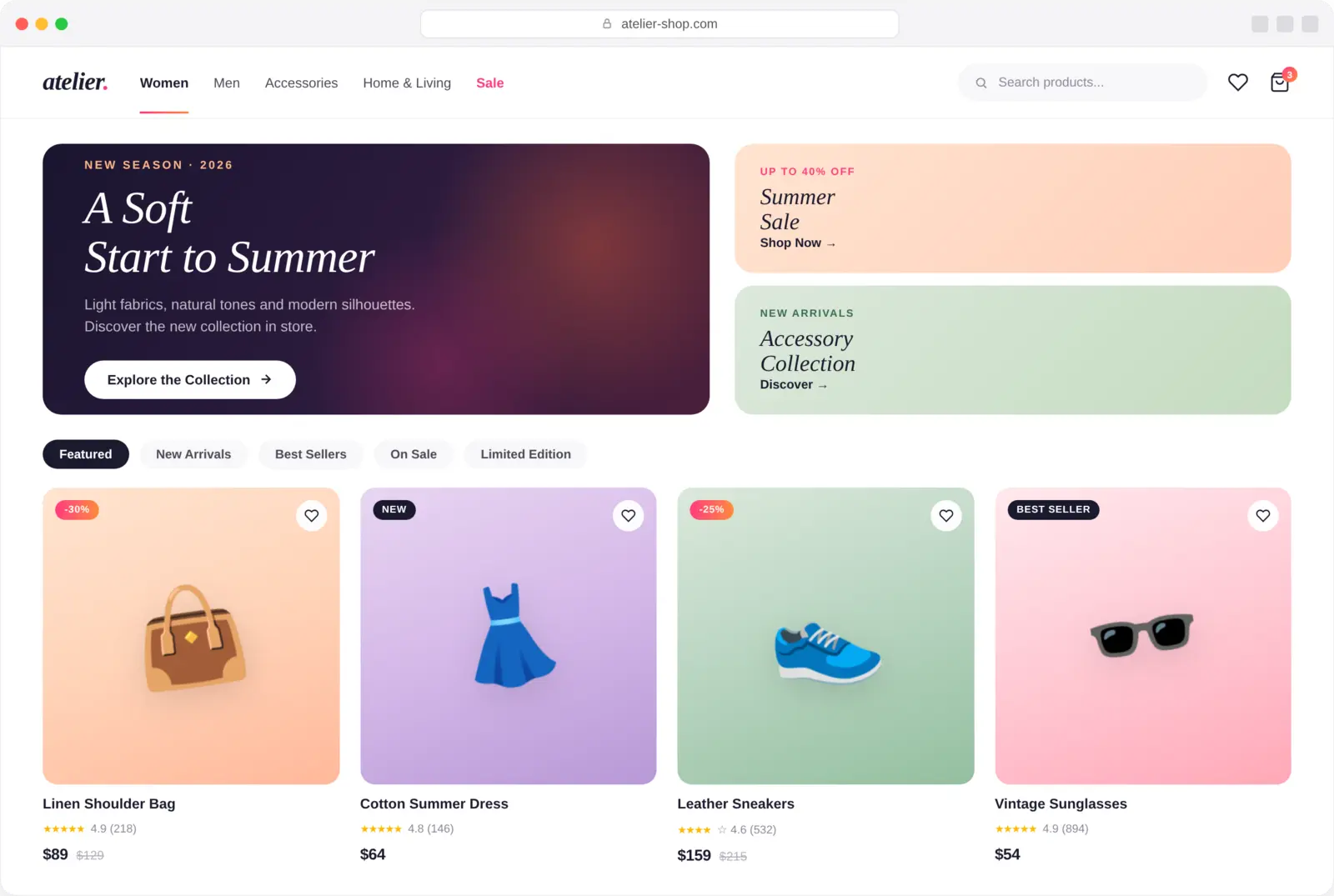
A Hungary-ready shop for Budapest and Debrecen — SimplePay (OTP), Barion and Stripe at checkout, GLS Hungary and Foxpost on shipping.
Free setup Pay monthly Cancel anytime
store.zunapro.com
E-Commerce storefront preview

Integrated with leading Hungary brands

eMAGVateraÁrukeresőAlzaJófogásExtreme Digital

Tailored Solution

No One-Size-Fits-All Sites

Themes for Szeged food, Pécs craft or Győr automotive brands. ÁFA 27/18/5% applies per category, GDPR / NAIH consent banner is built in, and your Kft. or Egyéni vállalkozó details land in the footer with NAV Online Számla live from order one.
Hands-On Support

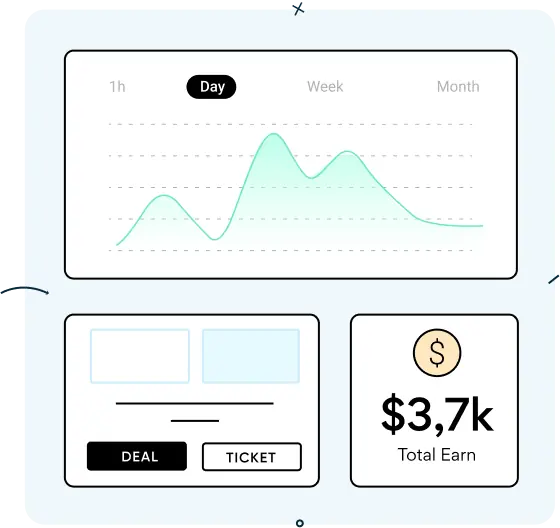
We Treat Your Store Like Our Own

SimplePay through OTP is the Hungarian default, Barion handles fast mobile wallet, K&H mobilbank closes bank payments. Magyar Posta (MPL) and Foxpost lockers print labels automatically; every invoice files into NAV Online Számla.
Everything Your E-Commerce Needs

Manage your entire operation from one panel. No third-party plugins required.

Ready Themes

Industry-specific mobile-ready themes — go live in hours.

Marketplace Integrations

Sync orders and stock with the most popular marketplaces in Hungary.

Secure Payments

Stripe, PayPal and local gateways. 3D Secure and installments included.

Shipping Integrations

Print labels, send tracking codes automatically — all major carriers included.

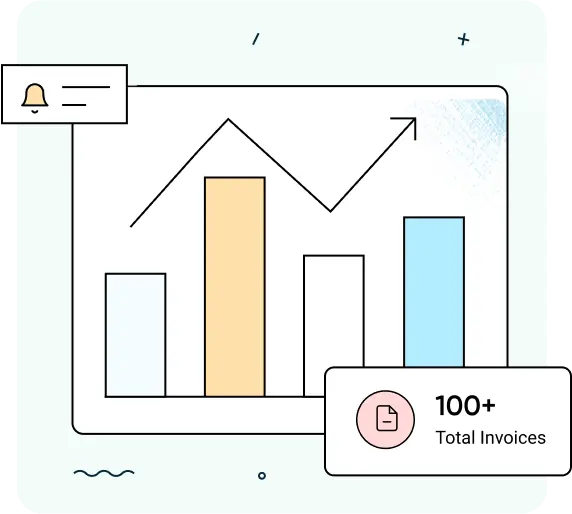
Invoicing & Accounting

Country-compliant e-invoicing, automatic income/expense, accountant access.

SEO & Performance

95+ Lighthouse score, automatic sitemap, schema.org, AMP support.

COUNTRY-SPECIFIC

Built for the Hungary Market

Local marketplaces, carriers, payment methods and compliance frameworks — from a single panel

Local Marketplaces

  • eMAG
  • Vatera
  • Árukereső
  • Allegro HU
  • Auchan Online

Carrier Integrations

  • Magyar Posta (MPL)
  • GLS Hungary
  • DPD Hungary
  • Foxpost
  • Sameday HU

Payment Methods

  • SimplePay (OTP)
  • Barion
  • Stripe
  • PayPal
  • K&H mobilbank

Compliance & Legal

  • GDPR / NAIH
  • NAV Online Számla
  • EKAER
  • KEKKH
  • ÁFA %27
  • NAV Online Számla
SUCCESS STORY

A şarap/gurme yiyecek ihracatçısı in Budapest

"eMAG + Amazon DE entegrasyonuyla 7 ayda 42K€ AB cirosu"

Choose Your Plan

Flexible plans that grow with you. Upgrade or cancel anytime.

MonthlyYearly  2 MONTHS FREE

Basic

For getting started

 
29
/ month · VAT included
  • 1 Theme
  • Up to 500 products
  • 2 Marketplace Integrations
  • 1 XML Supplier Feed
  • Local Payment Gateways
  • Shipping Integration
  • Email Support
  • Mobile Ready
Start Now

Pro

Complete package for high-volume sellers

 
149
/ month · VAT included
  • All Themes + Customization
  • Unlimited products
  • Unlimited Marketplaces
  • 10 XML Supplier Feeds
  • Reseller / Dropshipping
  • Cross-Border Marketplaces
  • API Access
  • Multi-Store Management
  • Dedicated Account Manager
  • Priority SLA Support
Choose Pro

Pay monthly · Free setup · Cancel anytime

Ecommerce Website Setup In Hungary

Clarify cost, setup, local fit and operations for ecommerce website setup in Hungary with ZunaPro.

Ecommerce Website Setup In Hungary Guide

Companies searching for ecommerce website setup in Hungary usually compare more than the service name. They look for cost, timeline, a reliable team, local fit and the speed at which the project can become usable.

The page should answer technical and commercial questions together. A visitor needs to understand what will be done, in which order and what will be delivered.

ZunaPro brings catalogue, checkout, payment, shipping, campaigns, multilingual storefronts, analytics and conversion optimization into one plan. The work does not stay as a design or setup task; it becomes an operating structure the team can actually use.

In Hungary, language, payment habits, documentation expectations, delivery or support models can directly influence the result. Discussing these points early reduces rework.

In Hungary HUF pricing, Foxpost/MPL delivery and clean Hungarian support copy build trust.

What To Clarify Before You Start

Before requesting a quote or starting the project, these points should be clear.

  • Store Architecture: With the right structure, teams stop recreating the same information in different places. Sales, operations, support and management can make decisions from one shared source.
  • Product And Checkout: ZunaPro turns ecommerce website setup into a sales-ready, fast, measurable and scalable online store by managing scope, technical setup, content structure, tracking and improvement together.
  • Payment And Shipping: Looking only at the starting price can be misleading. Maintenance, integrations, number of languages, reporting and security requirements shape the real value.
  • Conversion Reporting: A strong service page clearly explains what the buyer gets, what stages they pass through and which workload is removed from their team.

Scope And Implementation Plan

Decision, Setup And Ongoing Management

Each Row Answers A Practical Buyer Question.

TopicWhat It ClarifiesWhat ZunaPro Does
Store ArchitectureClarifies expectations, data and responsibility for Store Architecture.Connects Store Architecture to proposal, setup and ongoing management.
Product And CheckoutClarifies expectations, data and responsibility for Product And Checkout.Connects Product And Checkout to proposal, setup and ongoing management.
Payment And ShippingClarifies expectations, data and responsibility for Payment And Shipping.Connects Payment And Shipping to proposal, setup and ongoing management.
Conversion ReportingClarifies expectations, data and responsibility for Conversion Reporting.Connects Conversion Reporting to proposal, setup and ongoing management.

Store Architecture Details And Tips

Measurement And Tracking

Store Architecture sets the plan for how ecommerce website setup should be delivered in Hungary. Scope, timeline and responsibility are written down at this stage so revisions stay rare. Once the plan is locked each team sees its own boundary and small details that look minor at first are still included in the proposal.

When the Store Architecture plan moves to the field, internal roles, approval chains and reporting cadence are defined too. Progress is measured at fixed checkpoints instead of constant meetings, and decisions follow a process rather than a single person.

  • Target user and decision maker definition
  • Needs list with priority order
  • Internal responsibility split
  • Success criteria and measurement method
  • Question list for the kickoff meeting

Practical Example

In practice, Store Architecture should run as a short loop that includes team reviews, customer feedback and real data from the field. At the end of each loop the owner, timeline and expected output of the next step are written down so progress depends on a system, not on a single person.

The page should answer technical and commercial questions together. A visitor needs to understand what will be done, in which order and what will be delivered.

Product And Checkout Step By Step

On The Ground

During Product And Checkout, the buyer needs to see which step happens in which order and what is delivered. Local language, payment and compliance details for Hungary are discussed here. A transparent process shortens revision cycles, reduces knowledge loss between teams and keeps the delivery calendar reliable.

During Product And Checkout, real user scenarios from the Hungary market are tested. Whether the local customer prefers phone, message or a form, and where they hesitate during payment, becomes visible at this stage.

  • Step-by-step workflow and delivery calendar
  • Approval and revision count
  • Migration and test plan
  • Pre-launch acceptance criteria
  • Rollback and emergency plan

Pre Work

A small but critical detail in Product And Checkout is the content approval chain. Every sentence going live in Hungary should be reviewed once more by a local reader; this protects brand tone, legal fit and conversion potential at the same time.

ZunaPro brings catalogue, checkout, payment, shipping, campaigns, multilingual storefronts, analytics and conversion optimization into one plan. The work does not stay as a design or setup task; it becomes an operating structure the team can actually use.

Avoiding Payment And Shipping Mistakes

Field Notes

Payment And Shipping is the area that creates the gap between a quote and the real cost. For brands researching Ecommerce Website Setup, scope width, content production and integrations shape the total budget. When cost lines are listed individually, comparing offers becomes easier and ROI can be measured from the start.

To read the Payment And Shipping cost line correctly, one-time and monthly figures must sit on separate rows. As scale grows in Hungary, integrations, content updates and reporting drive most of the recurring spend.

  • One-time setup cost
  • Monthly maintenance line
  • Extra module or integration fee
  • Local language and content production cost
  • Cost lines that change with scale

Steps And Flow

The Payment And Shipping cost line requires the recurring and variable parts to be visible in writing. Growth decisions like a seasonal campaign, an extra language or a new product category should already be marked on the budget.

In Hungary, language, payment habits, documentation expectations, delivery or support models can directly influence the result. Discussing these points early reduces rework.

Conversion Reporting Measurable Results

Detail List

Conversion Reporting keeps living after launch. To keep selling in Hungary, maintenance, reporting and content updates must be planned from day one. Without a clear post-launch plan a project erodes within months; a steady support routine keeps brand value intact.

The Conversion Reporting block must turn into a loop of analysis, content refresh, campaign work and technical maintenance. As traffic grows in Hungary, every part of this loop needs a clear owner.

  • Performance and error monitoring
  • Content update routine
  • Scale plan for growth
  • Seasonal campaign preparation
  • Customer feedback loop

Customer Experience

The Conversion Reporting block must be fed continuously with customer questions, support tickets and performance data. As live traffic grows in Hungary, the behaviour patterns that emerge are the most valuable input for setting the priorities of the next release.

With the right structure, teams stop recreating the same information in different places. Sales, operations, support and management can make decisions from one shared source.

Ecommerce Website Setup Process Steps For Hungary

Typical Flow From Kickoff To Launch

Every project is different, yet ecommerce website setup work in Hungary usually follows a similar order. The steps below summarise the practical path from the first call to going live and clarify what to look for when reading a proposal.

  1. Discovery call: needs list, target market and delivery date are discussed; both sides agree on shared language.
  2. Plan and proposal: scope, cost lines and timeline are written down; revision rules are made explicit.
  3. Preparation: brand assets, content, visuals and technical requirements are gathered in one folder; ownership is listed.
  4. Implementation: design, setup, integrations and content placement run in parallel with regular checkpoints.
  5. Testing and launch: acceptance criteria are checked, a final pre-launch test is run, and going live happens on plan.
  6. Ongoing support: maintenance, reporting and content updates continue at an agreed cadence after launch.

Common Mistakes

What To Watch When Buying Ecommerce Website Setup In Hungary

Many companies make a ecommerce website setup decision based only on the starting price. Maintenance cost, local fit and missing reporting often force the project to be rebuilt months later.

  • Teams that quote a single price and later add revision or maintenance fees
  • Local language, payment or shipping habits not discussed during the quote
  • No clear ownership of content production
  • Maintenance, security updates and reporting not included in the proposal
  • Marketplace, e-invoice or payment integrations left out of the initial scope

Hungary Market Note

Local Expectations And Operational Detail

When planning ecommerce website setup for Hungary, local language, payment habits and official procedures should be discussed early. Customer trust is built when contact, invoicing, delivery and support stay consistent.

Hungary offers practical Central European access for brands that want regional stock and road-based dispatch.

A strong service page clearly explains what the buyer gets, what stages they pass through and which workload is removed from their team.

In Hungary HUF pricing, Foxpost/MPL delivery and clean Hungarian support copy build trust.

Typical Customer Scenarios In The Hungary Market

How Ecommerce Website Setup Needs Look At Different Scales

The three scenarios below show how ecommerce website setup positions itself at different scales in the Hungary market. The goal is for each business to spot the profile closest to its own situation and to ask the right questions from the start.

  • Newly launched small brand: Priority is fast launch and a low monthly cost. In Hungary, starting with pre-launch preparation, local language, simple payment and a single contact channel is correct. Maintenance stays small at first and reporting and campaign layers are added as growth becomes visible.
  • Growing mid-sized business: At this profile ecommerce website setup decisions can no longer sit on a single person. In Hungary multiple channels, extra languages and higher daily order volume come into play; reporting, automation and a steady content refresh become critical.
  • Enterprise-scale brand: The priority here is steady growth, an auditable process and a horizontally scalable infrastructure. Beyond Hungary, expansion to neighbouring markets, multilingual management, advanced reporting and KPI-based support become a must.

What Drives The Cost

How To Read A Ecommerce Website Setup Proposal

A ecommerce website setup proposal for Hungary should show its components clearly. Itemised quotes prevent later surprises and make comparison between providers possible.

  • Scope width, page or screen count
  • Design depth and customisation level
  • Integrations, reporting and automation needs
  • Local language, content production and visual preparation
  • Maintenance, hosting, security and support model

Post-Launch Ongoing Support

For Sustainable Results In The Hungary Market

The value of Ecommerce Website Setup comes not from launch day but from the steady support that follows. As customer behaviour, campaigns and technical needs in Hungary change, the site, system or operation must adapt with them.

Companies searching for ecommerce website setup in Hungary usually compare more than the service name. They look for cost, timeline, a reliable team, local fit and the speed at which the project can become usable.

  • Monthly performance report with a short action list
  • Content, visual and campaign refresh routine
  • Security updates and technical maintenance calendar
  • Advisory for new integrations or module needs
  • Capacity and speed check before seasonal peaks

Frequently Asked Questions

Who is this service for?

It suits companies entering a new market, improving digital sales or organizing an existing operation.

What should be prepared first?

Target market, service scope, languages, payment or contact flows and technical needs should be assessed together.

What affects pricing?

Scope, integrations, content depth, design needs, official requirements and support model affect pricing.

Contact Us

Get free consultation for your e-commerce project.

Chat on WhatsApp

